Daily Bible Affirmation for May 15, 2022 – Matthew 21:27

Matthew 21:27

Bible Verse

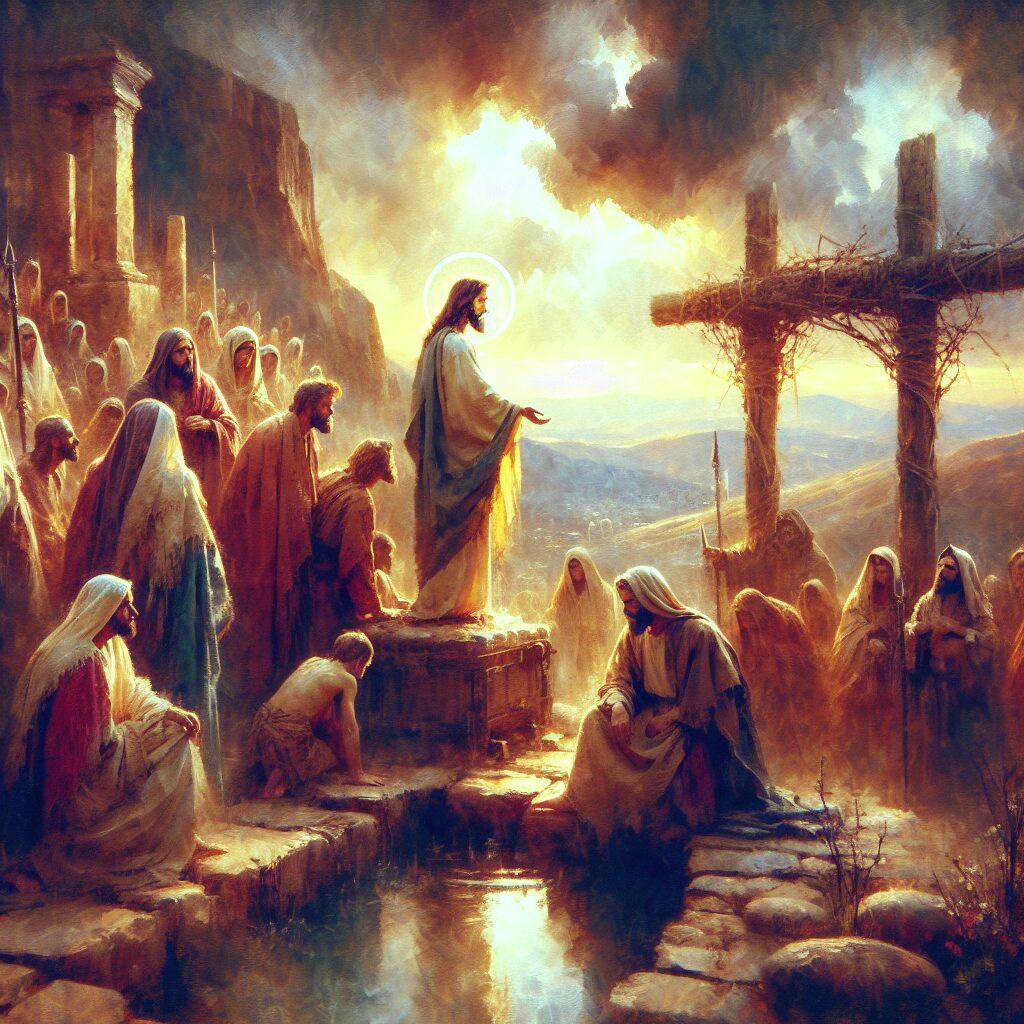
“And they answered Jesus, ‘We do not know.’ He said to them, ‘Neither will I tell you by what authority I am doing these things.'” – Matthew 21:27

Reflection

In this moment from the Gospel of Matthew, we encounter a fascinating interaction between Jesus and the religious leaders of the time. The leaders, perhaps attempting to undermine Jesus’ influence, question the authority by which He acts. Jesus, in His wisdom, turns the question back on them by asking about John the Baptist’s authority. The religious leaders find themselves in a dilemma, knowing that acknowledging John’s divine authority would imply recognition of Jesus’ own authority. Their response, “We do not know,” is one of avoidance and caution, highlighting their unwillingness to commit to a stance that would challenge their power.

This passage, while it might seem straightforward, offers us deep insight into our own spiritual journeys and challenges in life. It prompts reflection on the nature of authority, truth, and the courage to stand by one’s convictions. Often, like the religious leaders in the story, we might face situations where acknowledging the truth requires us to step outside our comfort zones or challenge the status quo. Yet, embracing truth and the authority of God in our lives is a crucial step in deepening our faith.

Firstly, let us consider the significance of trusting in God’s authority. In our daily lives, we encounter challenges and questions where the right path is not always obvious. This verse reminds us to seek God’s authority in these moments, trusting that His guidance will lead us towards growth, love, and purpose. Relying on God does not always mean having all the answers, but rather having the faith to move forward with the assurance that He is leading us.

Furthermore, the verse invites us to examine our own openness to truth. Are we willing to question the systems around us when they conflict with our faith and values? Are we ready to admit our own limitations and seek God’s wisdom when we encounter complex or difficult questions? By grounding ourselves in God’s unwavering love and wisdom, we are empowered to face uncertainties with grace and courage.

The narrative also speaks to the beauty of humility and reflection. Embracing the phrase, “We do not know,” can be an expression of humility, allowing us to acknowledge our limitations and open our hearts to God’s wisdom. This admission is not a sign of weakness but rather an invitation to grow and learn under God’s nurturing guidance.

Lastly, the passage encourages us to cultivate relationships rooted in God’s love and grace. When we acknowledge God’s authority in our lives, we are called to extend that same compassion and understanding to those around us. This often involves listening deeply, withholding judgment, and nurturing a spirit of inclusion and acceptance in our communities.

Closing Thought

As we navigate the complexities of life, let us carry forward the lesson from this encounter: embracing God’s authority in our lives with humility and conviction. By acknowledging the limits of our understanding and committing to seek His guidance, we enable ourselves to grow in love, wisdom, and truth. May our hearts remain open, trusting in God’s unwavering support and finding peace in His eternal promises.

Daily Bible Affirmation for May 15, 2022 – Matthew 21:27 Read Post »
Daily Bible Affirmation for May 09, 2022 – Matthew 5:26

Matthew 5:26

Bible Verse

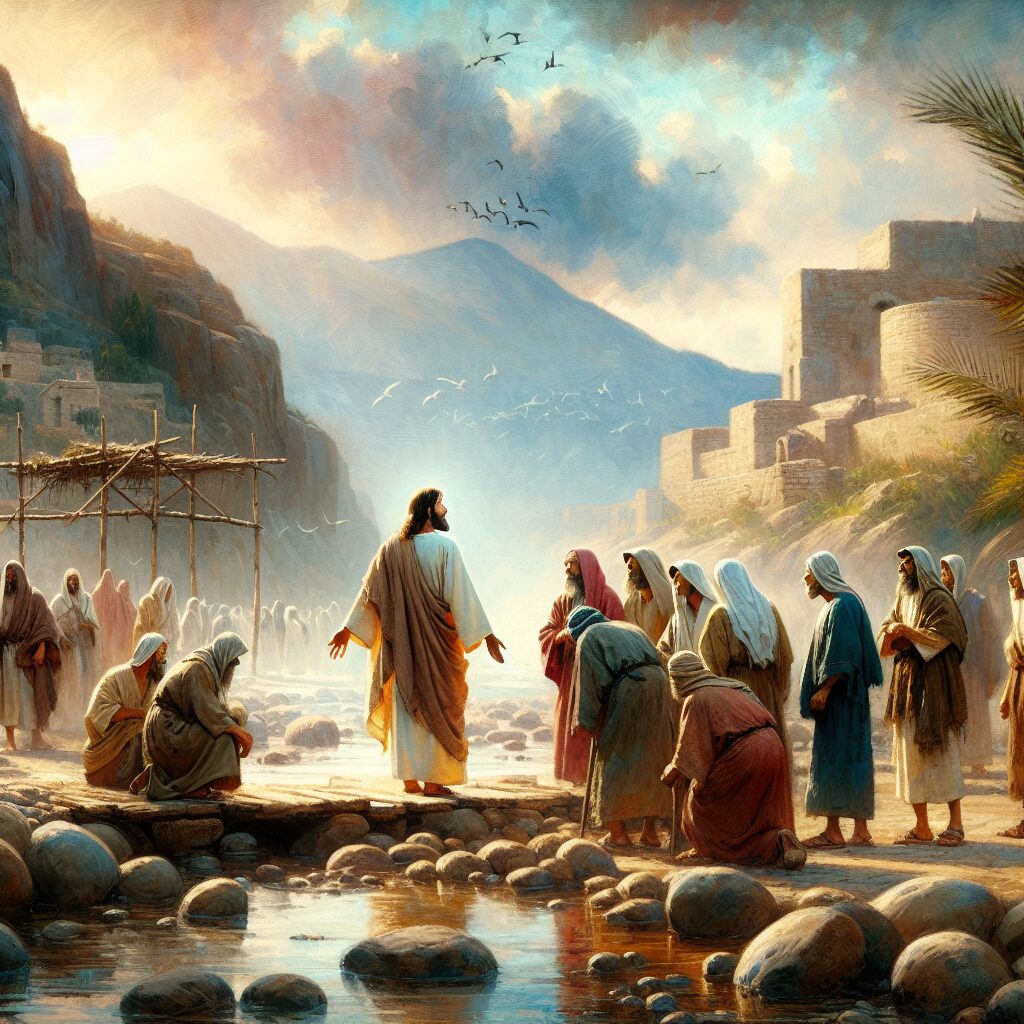
“Truly, I tell you, you will not get out until you have paid the last penny.” – Matthew 5:26

Reflection

At first glance, Matthew 5:26 might appear to be a straightforward instruction on the practicalities of conflict resolution. Yet, if we delve deeper into its context and intentional message, we are encouraged to reflect on the profound implications that this verse has for our spiritual journey.

Within the larger context of the Sermon on the Mount, this verse is nestled in Jesus’ teachings about reconciliation and righteousness. In these passages, Jesus calls His followers to go beyond mere legal obligations to embrace the spirit of God’s law, which is rooted in love, grace, and peacemaking. By saying that “you will not get out until you have paid the last penny,” Jesus emphasizes the importance of addressing and resolving our differences intentionally and sincerely. It is a call not only to restore relationships in our lives but to engage deeply with the process, understanding that true freedom comes from a clear conscience and a heart at peace.

Consider the beauty and intricacy of personal growth that arises from reconciliation. When we encounter disputes or grudges, they serve as opportunities to exercise humility and understanding, to seek forgiveness with sincerity, and to learn the art of humility. God’s grace allows us to see every misunderstanding not as a tether but as a chance for personal and spiritual transformation. Faith teaches us that these acts of reconciliation are not burdens but gifts that shape us into more compassionate and empathetic individuals.

Importantly, the resolution of conflict should be grounded in love and grace. Many spiritual thinkers reflect on how God’s love for us models the type of forgiving and reconciling love we should aim to mirror. God’s patience and constant willingness to welcome us back into His embrace provides a blueprint for our own interactions. Through our faith and trust in God, we can have the courage to address wrongs and heal broken relationships, knowing that each step towards peace contributes to a wider tapestry of God’s love in the world.

Reflecting on this verse invites us to embody the principles of Christian living in our daily interactions and relationships. It urges us to seize the grace God offers to mend the bonds that may have frayed. Jesus calls us to be proactive bearers of peace, understanding, and kindness, ensuring that our hearts and spirits remain free from the heavy chains of bitterness. Through this spiritual practice, we draw nearer to God and become vessels of His love and grace on Earth.

Closing Thought

As you go about today, remember that every opportunity for reconciliation is a divine invitation to grow closer to God’s heart. Let His grace empower you to mend, heal, and transform your relationships and soul, ensuring that your journey reflects the essence of divine love and peace.

Daily Bible Affirmation for May 09, 2022 – Matthew 5:26 Read Post »

Daily Bible Affirmation for April 28, 2022 – Matthew 18:10

Matthew 18:10

Bible Verse

“See that you do not despise one of these little ones. For I tell you that their angels in heaven always see the face of my Father in heaven.” – Matthew 18:10

Reflection

Matthew 18:10 is a powerful reminder of the intrinsic value and dignity of every individual, especially those who may seem vulnerable or insignificant in the eyes of the world. Here, Jesus issues a caution against looking down upon “one of these little ones,” which can be understood as a reference to children or those with a childlike faith. This admonition not only encourages kindness and respect towards the literal young among us but also extends to individuals who may be marginalized or overlooked in our communities.

In this passage, Jesus affirms the worth of the “little ones” by emphasizing that their angels have direct access to the Father in heaven. This imagery of celestial beings vigilantly watching over them highlights their importance in God’s eyes. It suggests an interconnection and constant divine care, serving as a comforting reminder that God’s presence surrounds those who may feel vulnerable or marginalized. It’s a profound message of hope and assurance, underscoring that every individual is precious and cared for by the Creator.

The call to not despise others is deeply intertwined with the tenets of love, grace, and equality that form the core of Christian teachings. In our daily interactions, this verse encourages us to embody grace and humility. We are gently nudged to push past societal hierarchies or judgments and to view each person through the lens of love that Christ offers. This equips us to nurture a world where empathy triumphs over prejudice and understanding paves the way for communion and harmony.

This scripture also invites us to reflect on our own perception of self. It reminds us that just as we are called to value others, we must also recognize our own inherent worth in the eyes of God. It’s an invitation to cultivate a sense of self-respect and dignity that derives not from worldly achievements or status, but from the unshakeable truth that we are intimately known and loved by God.

In a world where judgment often reigns, Matthew 18:10 encourages a shift towards compassion and respect for all. It serves as a reminder that God sees beyond the surface to the heart of a person, urging us to do the same. This rich tapestry of understanding is a cornerstone of personal growth, as it inspires us to live with integrity, honesty, and a commitment to uplifting others.

Closing Thought

Let us actively strive to honor and uplift every individual we encounter, knowing that each person is worthy of love and respect in the eyes of God. Embrace the divine call to live with compassion and humility, and trust in the unwavering truth of God’s boundless care and grace.

Daily Bible Affirmation for April 28, 2022 – Matthew 18:10 Read Post »

Daily Bible Affirmation for February 24, 2022 – Matthew 3:12

Matthew 3:12

Bible Verse

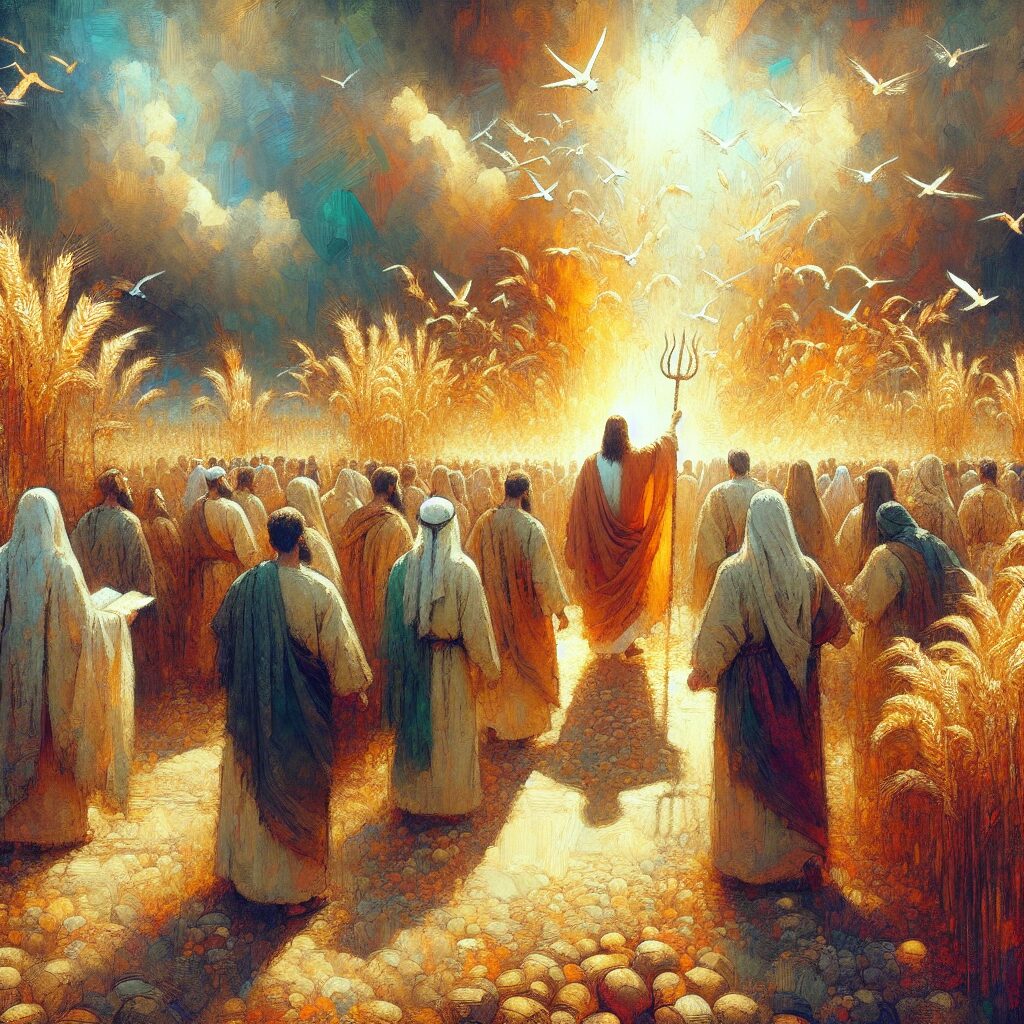
“His winnowing fork is in his hand, and he will clear his threshing floor, gathering his wheat into the barn and burning up the chaff with unquenchable fire.” – Matthew 3:12

Reflection

Matthew 3:12 provides a vivid illustration of a farming process familiar to the people in biblical times. This verse speaks initially of judgment and purification, using the metaphor of winnowing, a process that involved separating the valuable grains of wheat from the inedible chaff by using a fork-like tool. The imagery may seem stark, but it holds profound and encouraging truths about spiritual growth and renewal.

The winnowing process serves as a powerful analogy for our spiritual journey. In this life, we often face situations that act like the winnowing fork, challenging us to distinguish between what is essential and what is not, between truths that nurture our spirit and distractions that do not serve our higher purpose. These trials can be difficult, yet they are vital to our growth, teaching us important lessons about resilience, faith, and the unwavering grace of God.

Reflecting on this verse, we can be reminded that God is actively working to refine and purify us. Just as the farmer uses the winnowing fork to separate the wheat from the chaff, God lovingly guides us through experiences that shape us into our best selves. This process is not meant to be punitive but transformational, encouraging us to align our lives with higher values and deeper faith. God, like any loving parent, desires for us a life abundant with joy, peace, and fulfillment.

Moreover, this verse reassures us that God knows the innermost parts of our hearts. He cherishes the wheat—the virtues, the goodness, and the faithfulness within us. At the same time, He seeks to help us let go of the chaff—those fears, doubts, and behaviors that hold us back from embracing our true identity as beloved children of God.

For believers, it’s essential to approach this scripture with the understanding that the act of winnowing is part of God’s nurturing grace. It is His way of drawing us closer to our potential and guiding us to live in the fullness of His love. It’s a reassurance that through every circumstance, God’s presence is constant. Just as the farmer brings in the wheat to be stored safely in the barn, God promises to gather us in His arms, providing protection and peace amidst life’s uncertainties.

Closing Thought

In our journey of faith, may we find comfort in knowing that God’s winnowing fork is a symbol of His love and grace, guiding us towards a life of purity and purpose. Embrace the opportunity for growth, knowing that each challenge is a step towards becoming the person God created you to be. Trust in His divine process—your spirit is destined for the abundant harvest of His joy and peace.

Daily Bible Affirmation for February 24, 2022 – Matthew 3:12 Read Post »

Daily Bible Affirmation for October 22, 2021 – Matthew 27:43

Matthew 27:43

Bible Verse

“He trusts in God; let God deliver him now, if he desires him. For he said, ‘I am the Son of God.’” – Matthew 27:43

Reflection

This verse draws us into the profound mystery and paradox of trust inherent within Jesus’s crucifixion. Though spoken in mockery by those witnessing the events on Calvary, “He trusts in God; let God deliver him now,” reflects an unintentional yet powerful truth about the nature of faith and divine deliverance. In these words, we glimpse both the taunt of those who doubted and the faith that sustained Jesus even in his darkest hour.

Matthew 27:43 challenges us to see beyond the immediate circumstances to the underlying truth of trust and the essence of divine timing. At that moment, Jesus’s trust was not in vain or misplaced; it was steadfast, illustrating the depth of faith that knows deliverance may not always align with human expectations but is certain nonetheless. This acknowledgment encourages us to trust God’s ways and timing, even when they do not align with our desires or understanding.

Trust is a demanding journey, one that invites us to relinquish control and surrender to a wisdom surpassing our own. The crucifixion scene is a lesson in patience and perseverance, teaching us that faith often requires us to hold on when circumstances implore us to let go. Jesus’s example reveals that genuine faith may lead us to places of great trial, yet the promise remains that God is working all things together for our good, even if we cannot immediately see the purpose or the outcome.

In our daily lives, we encounter moments when faith is tested, when the path is dark and uncertain. It is in these times that Matthew 27:43 speaks deeply to our hearts, calling us to reaffirm our trust in God’s divine plan, regardless of how things appear. God’s deliverance may manifest in unexpected ways, sometimes not as immediate rescue but through the strength to endure and the grace to persevere. Such is the beauty and challenge of trust—leaning into God’s faithfulness with the assurance that He desires our ultimate best, whether or not it aligns with our present need for relief.

Furthermore, this passage invites us to explore our identity and relationship with God, much like Jesus’s declaration, “I am the Son of God.” It challenges us to embrace our identity as beloved children of God, holding onto that truth amid life’s trials and tribulations. This understanding is a source of hope, reminding us that we are not defined by our circumstances but by the love and grace bestowed upon us through Christ.

Closing Thought

Embrace your journey with unwavering faith, trusting that God’s love and deliverance are at work even when hidden from view. In your darkest hours, let the steadfast trust of Jesus inspire you to hold fast, knowing that He walks with you, transforming every trial into a testimony of hope and grace.

Daily Bible Affirmation for October 22, 2021 – Matthew 27:43 Read Post »

Scroll to Top