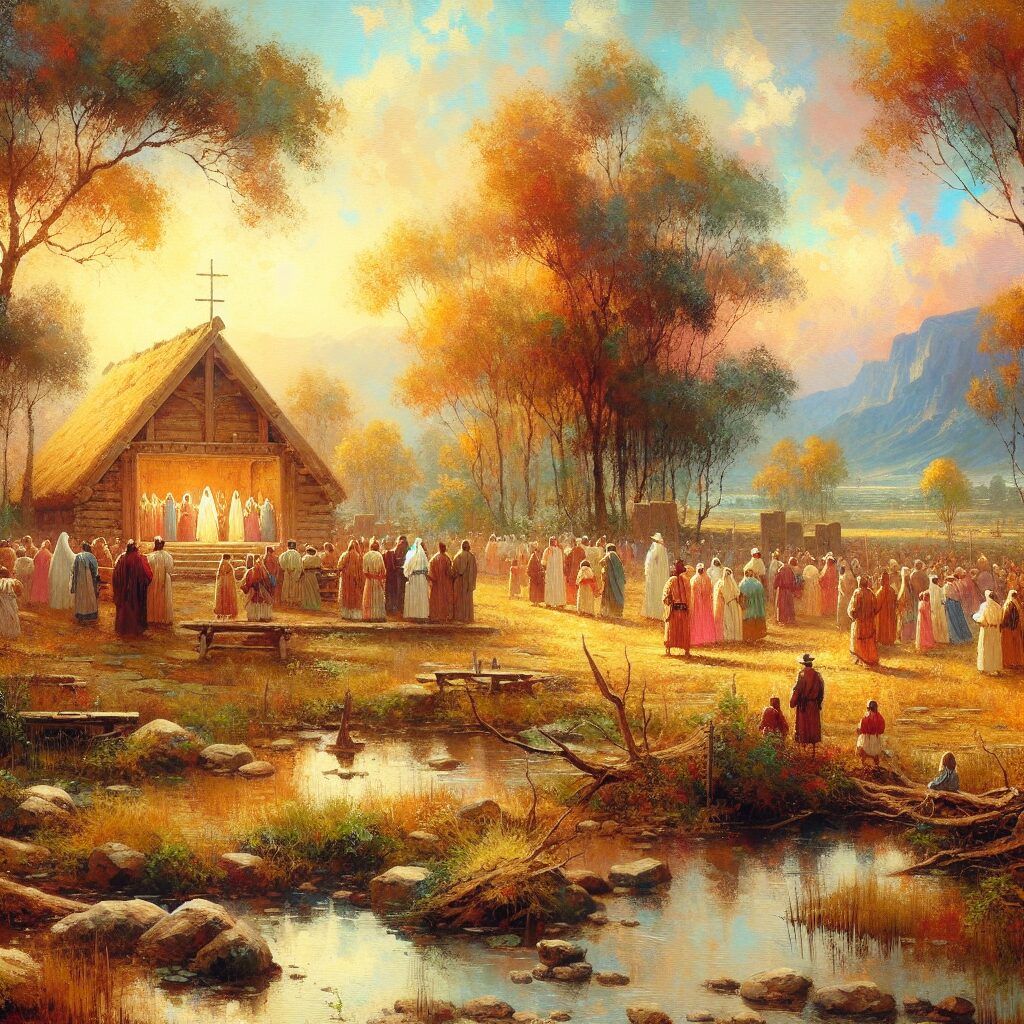
Daily Bible Affirmation for November 19, 2020 – Deuteronomy 32:50

Deuteronomy 32:50

Bible Verse

“On that mountain that you have climbed, you will die and be gathered to your people, just as your brother Aaron died on Mount Hor and was gathered to his people.” – Deuteronomy 32:50

Reflection

The verse, Deuteronomy 32:50, is part of a solemn moment in the life of Moses as God instructs him about his impending death on Mount Nebo. At first glance, the passage could be seen as somber or even unsettling due to its direct mention of mortality. However, by delving deeper into its context and meaning, we can uncover a profound message of continuity, spiritual legacy, and eternal hope.

The narrative of Moses’ life is a testament to perseverance, faith, and leadership. His journey from the banks of the Nile, through the wilderness, and towards the promised land encapsulates a life of unwavering commitment to God’s plan. Here, the mention of “being gathered to your people” serves as a reminder that our earthly journey is but a part of a larger, divine continuity. It’s an acknowledgment that life does not end in mere physical departure but transitions into a greater spiritual fellowship. Just as Moses is gathered to his ancestors, this passage reassures us of a promised reunion with the loved ones who have gone before us, enveloped in the love and presence of God.

This verse is also a call to reflect on the legacy we leave behind. Moses’ life was marked with moments of trials and triumphs, much like our own lives. The culmination of his path in leading his people to the brink of the Promised Land signifies something essential—that our purpose and actions possess a ripple effect beyond our immediate existence. We are invited to live purposefully, sowing seeds of faith, compassion, and service. In each interaction, we have the opportunity to contribute to a legacy of love and grace that speaks to the generations that follow.

Moreover, the passage is profoundly reassuring in its illustration of God’s grace. Moses, like all of us, was not perfect. Yet, God’s covenant with him remained steadfast, symbolizing an unyielding promise rooted in love and grace despite human shortcomings. This interaction reflects the nature of a compassionate God who walks beside us, even in our flaws, providing the comfort of His presence.

In understanding our own mortality, we are called to cherish the moments we are afforded, appreciate the beauty around us, and deepen our relationship with God. Each day becomes an invaluable gift to express gratitude and work toward personal spiritual growth. It emphasizes the importance of holding faith and hope, trusting in God’s eternal plan for each of us.

Closing Thought

As we reflect on Moses’ journey to Mount Nebo, let it remind us that every step of our path has a divine purpose. Let us live with the assurance of God’s everlasting love and grace, embracing life fully with hope, knowing our spirit will one day be gathered in joyous reunion with God and believers who have gone before.

Daily Bible Affirmation for November 19, 2020 – Deuteronomy 32:50 Read Post »

Daily Bible Affirmation for October 14, 2020 – Deuteronomy 12:15

Deuteronomy 12:15

Bible Verse

“But whenever you want, you may slaughter and eat meat within any of your towns, according to the blessing the Lord your God has given you. Those who are ceremonially clean or unclean may eat it, as if it were gazelle or deer.” – Deuteronomy 12:15

Reflection

In Deuteronomy 12:15, we find an invitation to enjoy the abundance of God’s blessings, reflecting a profound aspect of daily life in ancient Israel that underscores God’s provision and generosity. At first glance, this verse may seem straightforward, primarily concerning dietary laws and practices. However, when we take a closer look, it reveals deeper implications that resonate with our longing for divine sustenance and inclusivity within the community of faith.

The context of this passage is essential for understanding its full meaning. Moses is addressing the Israelites, preparing them for life in the Promised Land. He reminds them that God’s blessings extend beyond material needs. The permission to consume meat ‘whenever you want,’ underscores a God who desires His people to receive and delight in His gifts. Yet, this was not only a message for the ritually pure but an inclusive provision for all, whether ceremonially clean or unclean. It echoes today as a call to embrace all God offers with gratitude and sharing.

This verse prompts us to reflect on the abundance in our lives that God so freely gives. In times of scarcity or difficulty, it is easy to overlook the simple pleasures and blessings we receive daily. But just as the Israelites were called to celebrate and partake in the material blessings provided by God, so too are we invited to acknowledge His presence in all aspects of our lives, from the everyday to the extraordinary. It’s a reminder to recognize God’s love and provision that overruns into our lives in various forms, motivating us to cultivate an attitude of thankfulness.

Moreover, the reference to equality in this verse, where both the clean and unclean may partake in God’s blessings, speaks volumes of God’s heart for inclusivity. It reassures us that God’s grace is universal, transcending our societal and ritualistic boundaries. This hopeful perspective champions the idea that all of us, in our varied and imperfect journeys, are invited to His table. No one is excluded from the community of God’s love.

This scripture also challenges us to consider our spiritual nourishment. Just as physical food sustains the body, spiritual nourishment fortifies our souls. By engaging with God’s word, prayer, and community worship, we find a source of strength that nourishes us, thereby fostering our growth, resilience, and hope for the future.

Closing Thought

Let us remember that God, in His unfathomable love and generosity, invites us to share in His abundance. We are called to open our hearts to His blessings, whether grand or small, and to welcome all with open arms into His care. As we partake in this divine banquet of grace, may we receive each day with gratitude and spread His love and light to those around us, reflecting His boundless hospitality.

Daily Bible Affirmation for October 14, 2020 – Deuteronomy 12:15 Read Post »

Daily Bible Affirmation for September 23, 2020 – Deuteronomy 25:5

Deuteronomy 25:5

Bible Verse

“If brothers dwell together, and one of them dies and has no son, the wife of the dead man shall not be married outside the family to a stranger. Her husband’s brother shall go in to her and take her as his wife and perform the duty of a husband’s brother to her.” – Deuteronomy 25:5

Reflection

Deuteronomy 25:5 offers a glimpse into the social and familial structures within ancient Israelite culture. At first glance, this verse may seem distant from our modern context. However, when we delve deeper, we discover profound lessons on community, responsibility, and compassion, which are still relevant today.

In the world of the ancient Israelites, family was the cornerstone of society, and this verse reflects that. The levirate marriage practice, described here, was designed to provide security and continuity for the widow left without a child—a situation that was economically and socially precarious at the time. The brother-in-law’s obligation was not merely a familial duty but a blessing of sustenance and inclusion. This arrangement symbolizes a profound principle: the care for those who are vulnerable and ensuring they remain within a supportive community, embodying God’s overarching mandate of love and kindness.

From a broader perspective, this commandment highlights the beauty of sacrificial love and duty—the willingness to step in and uplift others in times of need. Modern society might not practice levirate marriage, but the principle remains pertinent: our Christian journey involves reaching out to others, extending grace and support, and helping ensure the dignity and survival of those around us. It’s a call to be attentive to the needs of others and to choose community over isolation, a resounding chorus in the symphony of faith that echoes God’s heart for His people.

God’s love is universally inclusive, crossing boundaries of time and culture, inviting us to create environments where people feel safe and valued. Today, the application could manifest in various ways—emotional support for someone grieving, offering resource-sharing within the community, or simply extending acts of friendship and solidarity. Each of these acts, however small, serves as a gentle reminder of our interconnectedness and the potential we possess to reflect God’s love in tangible ways.

Additionally, Deuteronomy 25:5 can be seen as a depiction of God’s unwavering commitment to His people. He is the ultimate provider who cares deeply for the least and the lost. As we reflect on this verse, we are encouraged to embrace the roles of encouragers and helpers—people who stand firm in faith, ready to build others up in love and empathy.

Closing Thought

Deuteronomy 25:5 challenges us to see beyond the cultural specifics and into the heart of God’s intention—a community steeped in compassion and duty, always ready to uplift and support its members. Let us carry this forward, reflecting God’s love through meaningful connections and service, ensuring that no one walks the path alone.

Daily Bible Affirmation for September 23, 2020 – Deuteronomy 25:5 Read Post »

Daily Bible Affirmation for September 08, 2020 – Deuteronomy 20:14

Deuteronomy 20:14

Bible Verse

“But the women, the children, the livestock, and all that is in the city, all its spoil, you shall take as plunder for yourselves. And you shall enjoy the spoil of your enemies which the Lord your God has given you.” – Deuteronomy 20:14

Reflection

When we examine Deuteronomy 20:14, it may initially seem like a passage steeped in the cultural and historical context of ancient Israelite warfare. However, embedded within this verse is a profound message about God’s provision and the principles of divine justice and grace, which transcend time and culture.

In the historical context, the Israelites were a nomadic people entering a land filled with established cities and societies. The passage outlines wartime guidelines and practices meant to ensure survival and prosperity. It’s important for modern readers to understand that these narratives are part of a larger story of God leading His people to a promised future. While the surface-level reading might seem harsh to contemporary sensibilities, the larger biblical narrative reveals God’s enduring presence and faithfulness to His people throughout their journey.

This verse can remind us of two key principles: gratitude and reliance on God’s provision. The Israelites were to take their sustenance and protection directly from the provision God had orchestrated for them—a direct intervention where God gives not just victory, but also sustenance and new beginnings. This dependency nurtured a relationship of trust, teaching the Israelites that their successes and sustenance were not by their own making, but by God’s grace and provision.

We can reflect on how this principle applies to us today. In our own lives, we are constantly faced with challenges that require us to rely on God’s provision and grace. This verse encourages us to trust in God, even when the path forward is unclear or requires us to face battles we feel ill-prepared to handle. As believers, we are invited to acknowledge and cherish the blessings that God provides in unexpected ways and recognize that what might seem like a struggle is often an opportunity for growth and transformation through His grace.

This verse also speaks to the concept of stewardship. In receiving blessings and resources, believers are called to manage them wisely and compassionately, reflecting God’s love and generosity. This means looking beyond immediate needs and considering how what we have can be used to foster community, nurture relationships, and build a more just world that mirrors God’s kingdom on earth.

Ultimately, Deuteronomy 20:14 reminds us of the broader narrative of God’s love and provision, challenging us to a life of faithfulness and stewardship. It encourages believers to adopt a mindset of gratitude for God’s unique ways of providing for His children, and to trust that He will continue to guide us through life’s complexities and uncertainties with His abundant love and grace.

Closing Thought

As we navigate the challenges of life, let us remember that God’s provision often comes in unexpected ways, urging us to rely on His unwavering support and to steward our blessings wisely, so that we might grow closer to Him and each other in His love.

Daily Bible Affirmation for September 08, 2020 – Deuteronomy 20:14 Read Post »

Daily Bible Affirmation for August 29, 2020 – Deuteronomy 17:6

Deuteronomy 17:6

Bible Verse

“On the testimony of two or three witnesses a person is to be put to death, but no one is to be put to death on the testimony of only one witness.” – Deuteronomy 17:6

Reflection

This verse from Deuteronomy is traditionally seen as a guideline for justice, ensuring that serious judgments and decisions are not based on possibly flawed or singular observations. While on the surface, the discussion of a legal procedure from ancient times may seem distant from modern Christian life, there is a profound lesson to glean about justice, mercy, and equitable treatment.

At its heart, Deuteronomy 17:6 underscores the importance of fairness, truth, and integrity—values that transcend the era in which they were written and resonate deeply today. Even in those times, ancient Israel was instructed to seek truth by considering multiple perspectives, emphasizing how critical it is to avoid haste and bias in judgment. The need for careful deliberation and corroboration safeguards against misuse of power and ensures that all actions are motivated by righteousness rather than the fallible whims of emotions or prejudices.

In our daily lives, we are called to embody these values by being balanced and fair in our judgments. It is a reminder that our words and actions should derive not from hasty conclusions but from a place of thoughtful consideration and love. Embracing this principle, we acknowledge that human observation is inherently limited, and in doing so, we invite a spirit of grace to govern our interactions. The verse inspires us to strive for objectivity, compassionately listening to diverse voices and seeking truth in community rather than in isolation.

The broader implications of this scripture reflect God’s profound wisdom: nurturing environments where each person is heard and valued, where justice is pursued through collective truth-seeking. This framework fosters trust and builds relationships where mercy triumphs and hope is restored. As believers, this invites us to extend grace to others, allowing forgiveness and understanding to light our paths. It’s a call to elevate truth and mercy over judgment, protect dignity, and sustain a community spirit.

By respecting diverse perspectives and granting fair considerations to every individual, whether in personal dealings or community engagements, we mimic the divine justice God prescribed. We acknowledge that every story has more than one side and every interaction more than one purpose. In this understanding, we find hope—not only in equitable justice but in the redemptive power of grace that flows from being known, heard, and loved.

Closing Thought

Let us remember the importance of careful consideration and collective truth-seeking in all our dealings. Guided by love and fairness, may we nurture a community where integrity, trust, and grace reign, reflecting God’s profound justice and boundless love.

Daily Bible Affirmation for August 29, 2020 – Deuteronomy 17:6 Read Post »

Scroll to Top