Daily Bible Affirmation for January 03, 2026 – Judges 9:30
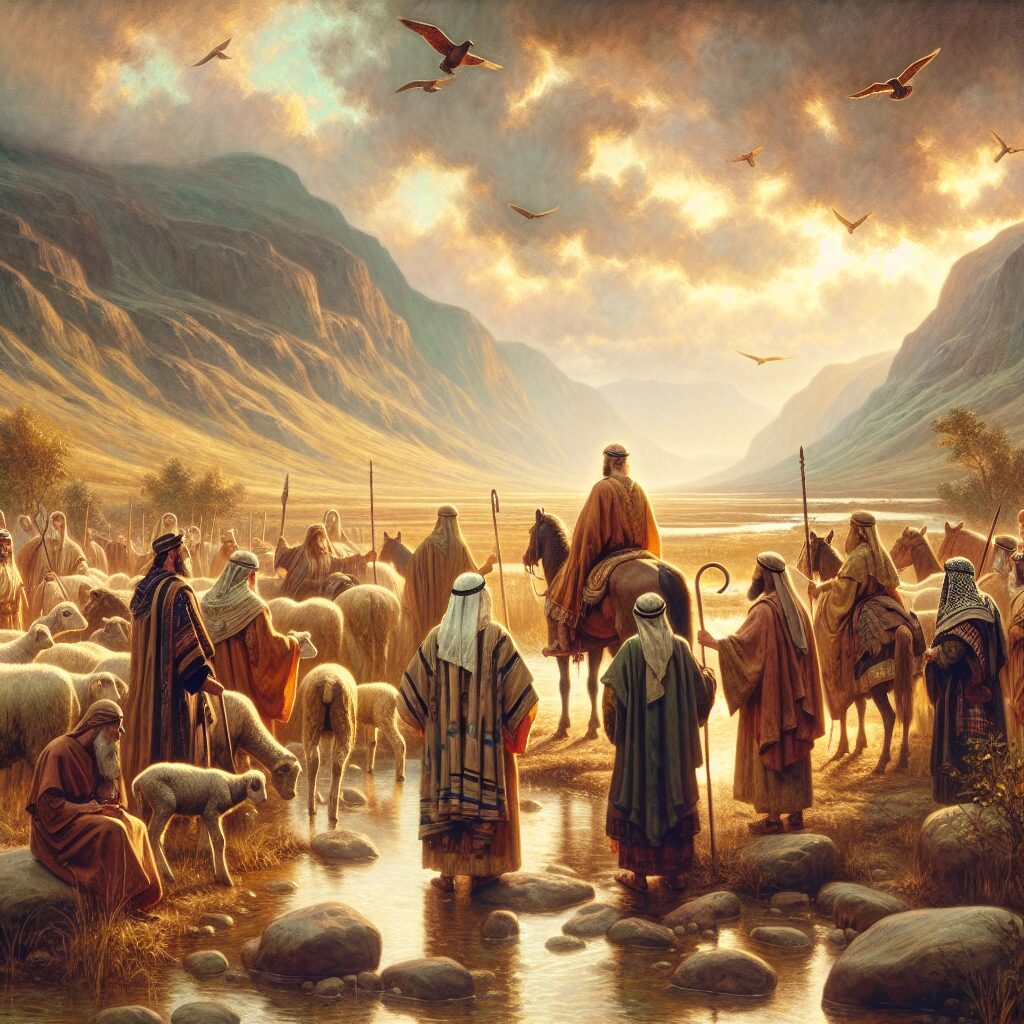
Judges 9:30

Bible Verse

“Then Zebul the ruler of the city heard the words of Gaal the son of Ebed, and his anger was kindled.” – Judges 9:30

Reflection

In the book of Judges, we encounter stories that illuminate the complexity of human character and the tumultuous nature of leadership and governance. Judges 9:30 brings us to a moment of tension in Shechem, where Zebul, a ruler of the city, finds himself faced with Gaal, a challenger expressing dissent against the established order. At first glance, this verse appears simply as a marker of discontent and the stirring of conflict. However, when we delve deeper, we unveil layers of wisdom relevant to our spiritual journeys.

To truly appreciate this verse, we need to consider the context. Abimelech, a son of Gideon, had declared himself king of Shechem, using force and manipulation. Gaal, representing a faction dissatisfied with Abimelech’s reign, speaks out against him, seeking to gather support for his own cause. Zebul, as Abimelech’s loyal overseer of Shechem, responds with anger to Gaal’s words, perceiving them as a threat to stability.

From this scenario, we extract valuable reflections on leadership, loyalty, and the quest for justice. Zebul’s reaction, kindled by anger, reminds us of the human propensity to react defensively when our positions or beliefs are challenged. However, as followers of Christ, we learn from Scripture that God calls us to respond with grace and wisdom, striving for peace over conflict. James 1:19 reinforces this by instructing us to be “quick to listen, slow to speak, and slow to become angry.”

In modern life, we often find ourselves in positions akin to Zebul’s, where our beliefs or plans are questioned. It is in these moments that we are called to embody the fruits of the Spirit—love, patience, kindness, and self-control. By doing so, we can transform potential conflict into an opportunity for understanding and growth, turning moments of anger into acts of compassion.

Understanding Zebul’s response also raises themes of justice and the impact of words. Gaal’s attempt to rally against Abimelech’s rule can be seen as both a cry for justice and a quest for personal power. As Christians, we are called to discern the difference between righteous courage and reckless ambition. Seeking justice should always be anchored in love and the uplifting of others, echoing Micah 6:8’s exhortation to “act justly, love mercy, and walk humbly with your God.”

Ultimately, this verse encourages reflection on how we navigate discord and lead with integrity. As community members, it is essential to listen deeply, respond thoughtfully, and maintain our commitment to the higher calling God places upon us. In every challenging conversation, there lies the potential for divine growth, both within ourselves and in the communities we serve.

Closing Thought

In moments of discord, let us be guided by love and the wisdom of the Holy Spirit. May our hearts remain open to understanding, transforming challenges into pathways for grace, unity, and growth in our walk with God.

Daily Bible Affirmation for January 03, 2026 – Judges 9:30 Read Post »

Daily Bible Affirmation for January 02, 2026 – 1 Samuel 6:2

1 Samuel 6:2

Bible Verse

“And the Philistines called for the priests and the diviners, saying, ‘What shall we do with the ark of the LORD? Tell us with what we shall send it to its place.'” – 1 Samuel 6:2

Reflection

The verse from 1 Samuel 6:2 might initially seem like a snippet from a historical narrative, recounting the tale of the Ark of the Covenant among the Philistines. Yet, this small part of the passage reveals profound truths about respect, reverence, and the search for divine guidance, and it holds messages that resonate deeply with our spiritual journeys today.

In the broader context, the Philistines had seized the Ark of the Covenant during a battle with Israel. They believed possession of this sacred symbol would bring them power and triumph. Instead, they experienced misfortune and distress, leading them to seek the advice of their spiritual advisors. This moment of crisis becomes a pivotal point where a foreign people grapple with the presence of the divine in their midst, acknowledging that something greater than themselves is at work.

The Philistines’ decision to consult their spiritual leaders is an act of seeking wisdom and understanding in a time of confusion and discomfort. This reflects a universal human experience: the desire to comprehend the mysterious and divine, especially when it touches our lives unexpectedly. It serves as an invitation for all of us to approach our struggles and uncertainties not with self-reliance but with openness to divine insight and guidance.

In our daily lives, we, too, encounter moments of bewilderment and challenge that invite us to seek God’s wisdom and guidance. Whether navigating personal dilemmas, communal tensions, or societal issues, turning towards divine counsel through prayer, scripture, and reflection can open pathways of understanding and peace. This approach emphasizes humility and acknowledges that while we may not have all the answers, we are participants in a broader, God-centered narrative that is being unraveled beautifully in the tapestry of life.

Moreover, the Philistines’ experience with the Ark underscores the sacredness and power inherent in the presence of the divine. In their attempt to exercise control, they are reminded of the need for reverence—a theme that speaks to the awe-inspiring nature of God’s holiness and the importance of approaching our faith and our lives with respect and humility. This invites an opportunity to reflect on what it means to carry the presence of God in our hearts and communities—to truly be met by grace, transformed by love, and moved to act with compassion and integrity.

Through this lens, 1 Samuel 6:2 becomes less an account of historical events and more an allegorical reminder of God’s unyielding invitation to relationship, exploration, and growth. It encourages us to acknowledge moments when divine grace disrupts and transforms our experiences, leading us to spiritual growth and deeper understanding.

Closing Thought

In times of uncertainty and change, let us be like the Philistines who sought wisdom beyond themselves, striving to embrace God’s guidance, reverence His presence, and remain open to His transformative love. May this inspire us to approach life’s challenges with hope, trusting in God’s eternal wisdom and abundant grace.

Daily Bible Affirmation for January 02, 2026 – 1 Samuel 6:2 Read Post »

Daily Bible Affirmation for January 01, 2026 – Genesis 1:27

Genesis 1:27

Bible Verse

“God created man in his own image, in the image of God he created him; male and female he created them.” – Genesis 1:27

Reflection

Genesis 1:27 is a profound verse that captures the very essence of humanity’s connection with the divine. It tells us that every human being is crafted in the image of God, a truth that teems with depth and significance. This acknowledgment of our divine image invites us to reflect on our inherent dignity, worth, and purpose.

To be made in God’s image implies that we hold within us traces of divine attributes such as the capacity for love, creativity, and justice. God’s image is not a physical likeness but rather a reflection of His qualities and moral essence that transcend earthly limitations. This understanding empowers us to view ourselves and others through a lens of compassion and respect, recognizing that each person carries a divine imprint regardless of their background, appearance, or status.

In a world often divided by differences, Genesis 1:27 encourages inclusivity and unity. By appreciating that all of humanity is created in God’s image, we are called to embrace diversity and celebrate each person’s unique contribution to the fabric of creation. This perspective fosters a compassionate community where judgment is replaced by understanding and love.

Furthermore, this verse instills hope and reminds us of our potential for personal growth and transformation. With God as our model, we are inspired to aspire toward righteousness and embody His love in our daily lives. Knowing that we are created in the image of a loving, grace-filled God gives us the faith to persevere through trials, trusting in His strength and guidance.

In our journey of growth, we must also recognize that our imperfections and failures do not diminish our value in the eyes of God. His grace allows us to continually return and reflect His image, learning from our experiences and striving to become better versions of ourselves. This ongoing process is supported by prayer and Scripture, which nurture our souls and align our hearts with God’s will.

Genesis 1:27 not only affirms our value and purpose but also offers comfort and guidance in times of uncertainty or self-doubt. It reassures us that we are never alone, for God lovingly watches over His creation, offering a steadfast presence through all of life’s moments. By embracing this truth, we find the courage to face life’s challenges, anchored in the hope and assurance of His unfailing love.

Closing Thought

As beings fashioned in the image of a loving Creator, let us reflect His love, grace, and compassion in our interactions with ourselves and others. Embrace the divine imprint within you, trusting in God’s unwavering promises, and let that knowledge inspire you to love deeply and live purposefully each day.

Daily Bible Affirmation for January 01, 2026 – Genesis 1:27 Read Post »

Daily Bible Affirmation for December 31, 2025 – 1 Samuel 13:20

1 Samuel 13:20

Bible Verse

“Each of them had to go down to the Philistines to get their plow points, mattocks, axes and sickles sharpened.” – 1 Samuel 13:20

Reflection

The verse from 1 Samuel 13:20 appears with surprising specificity and seems, at first glance, to be a mere logistical note within the larger narrative of Israel’s struggles with the Philistines. However, when we dig deeper, profound insights reveal themselves about dependence, resilience, and divine providence in this passage. At this point in Israel’s history, the Philistines had a strategic advantage over Israel because they controlled not only military weapons but also the means with which to equip themselves for daily living and agricultural productivity. Without the means to sharpen their tools independently, the Israelites found themselves relying on the very foreign power that threatened their existence.

In our lives today, how often do we find ourselves dependent on external circumstances or systems for our growth and sustenance? This passage can illuminate personal reflection on areas where we might feel constrained or lacking in independence. And yet, it is precisely in these moments of perceived weakness or limitation that we can experience God’s profound work and sovereignty. The Israelites’ dependence ultimately underscored a greater reliance on God, who repeatedly delivered them despite their vulnerabilities.

God’s love and grace often shine brightest amidst our limitations, teaching us that even when we cannot fully equip ourselves, God’s provision is unfailing. This dependency encourages a deep trust and faith that God is working through every aspect of our lives, including the mundane or challenging ones, such as sharpening tools in times of adversity. The beauty of faith comes from this intersection of weakness and divine strength, urging us to lean into God’s unwavering presence and promises.

More than just a practical or historical note, this verse invites us to reflect on the spiritual sharpening we undergo when we rely entirely on God’s guidance and wisdom. As Christians, we’re challenged to trust not simply in physical preparations or worldly provisions, but in a God who can use every circumstance for our growth and His glory. The long journey to the Philistines may have seemed tedious or burdensome, but each step was an act of trust and an opportunity for God to demonstrate His faithfulness.

Closing Thought

In times of limitation and dependence, let us remember that God’s love and grace equip and uplift us. Trust in Him entirely, knowing that every need is an opportunity for His providence to shine through in powerful and unexpected ways.

Daily Bible Affirmation for December 31, 2025 – 1 Samuel 13:20 Read Post »

Daily Bible Affirmation for December 30, 2025 – Nehemiah 11:6

Nehemiah 11:6

Bible Verse

“All the sons of Perez who lived at Jerusalem were 468 valiant men.” – Nehemiah 11:6

Reflection

Nehemiah 11:6 might superficially appear to be a simple numerical record of the offspring of Perez residing in Jerusalem, yet beneath this detail lies a profound message of courage, community, and divine purpose that bears significant relevance to our lives today. This verse, part of the bigger story found in the Book of Nehemiah, offers a glimpse into not just a community, but a resilient, devoted family line committed to the rebuilding and restoration of a nation that had been through much turmoil.

The mention of “468 valiant men” reflects a group of individuals united by a shared identity and mission. These men, described as “valiant,” were characterized by their bravery and determination. Their courage and commitment to living in Jerusalem, likely a daunting and demanding task at the time, symbolizes the valor that faith often requires. In our own journeys, we may find ourselves called to embody such courage—perhaps in the face of adversity, societal shifts, or personal trials. This passage encourages us to face challenges not in isolation but as part of a community bound by faith and mutual support.

Furthermore, the notion of “living at Jerusalem” carries with it the connotation of living in a space that’s not just geographical but also spiritual. Jerusalem, historically and biblically, stands as a symbol of God’s presence and promises. For the sons of Perez, dwelling there meant more than residing in a city; it represented a commitment to God’s unfolding plan, despite external circumstances. Today, we are called to find our spiritual Jerusalem—an internal place of peace, hope, and unwavering trust in God’s promises. Just as they were counted as members of a purpose-driven community, we too can contribute meaningfully to the communities around us, living as active participants in God’s work in the world.

The narrative in Nehemiah reminds us of the importance of our collective story. It presents us with a picture of how individual and communal actions can influence the greater narrative of faith and divine purpose. The sons of Perez are remembered, not merely for their number but for their courage. This remembrance teaches us about the enduring impact of our deeds motivated by faith, reminding us that no act of courage or faithfulness is forgotten in God’s overarching story.

Closing Thought

As we reflect on Nehemiah 11:6, let us be inspired by the valiant courage of the sons of Perez. May we be empowered to face our challenges with faith, remember that we are part of a larger story, and seek to live in our spiritual Jerusalem—working collectively in love and commitment to God’s purpose. In a world that often values individual accomplishments, this verse challenges us to find strength and purpose in our unity and shared faith.

Daily Bible Affirmation for December 30, 2025 – Nehemiah 11:6 Read Post »

Scroll to Top